Virtual and augmented reality technologies aim to decouple media consumption from 2D screens. As hardware becomes lighter and more accessible, entertainment will transition from something we watch to an environment we inhabit, fundamentally redefining storytelling mechanics and spatial computing.
Popular media has transitioned through three distinct eras, each defined by technological capability and user agency.
[Montage: People humming the tune on subways. A politician freezes mid-speech when a phone plays a clip. A girl in a bedroom listening on vinyl, unaware.]
: Traditional formats where the audience observes without direct participation, such as movies, television, radio, and print.
: A viral trend where users pair early childhood photos with their current professions.
Today, entertainment content is defined by algorithmic curation. Platforms like TikTok, Instagram, and Netflix do not just host content; they actively predict exactly what will keep your eyes on the screen. Audiences no longer share a single mainstream culture. Instead, they are fragmented into thousands of hyper-specific digital subcultures, where content is tailored to individual psychological profiles. 2. The Psychology of Media Consumption
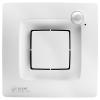 Бытовые вытяжные вентиляторы
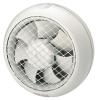 Вентиляторы для оконно-настенной установки
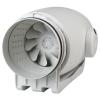 Канальные вентиляторы
 Мультизональные вытяжные вентиляторы
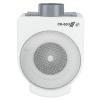 Бытовые кухонные вентиляторы
 Вентиляторы для распределения теплого воздуха
 Бытовые вентиляторы
 Обогреватели и конвекторы
 Фены и сушилки для рук
 Крышные вентиляторы
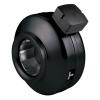 Вентиляторы с EC-двигателями
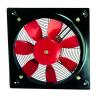 Осевые вентиляторы с монтажной пластиной
 Осевые вентиляторы в цилиндрическом корпусе
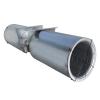 Струйные вентиляторы
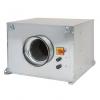 Вентиляторы в корпусе
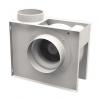 Центробежные вентиляторы
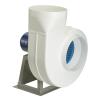 Пластиковы центробежные вентиляторы
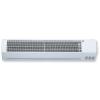 Воздушные завесы и тепловентиляторы
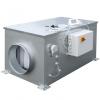 Приточные установки
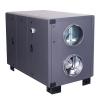 Приточно-вытяжные установки