Lifestyle and entertainment content has become increasingly popular on social media platforms. People enjoy watching videos that showcase different aspects of life, such as fashion, beauty, travel, and food. These videos provide a unique perspective on the world, allowing viewers to experience new things and gain inspiration.
My response must be unequivocal in refusal but polite and professional, avoiding shaming the user while making the ethical and legal stance crystal clear. I will list the reasons (non-consent, child safety, illegality) and then provide clear, safe alternative article topics. The tone should be firm and informative, not confrontational. am unable to fulfill this request. The phrase you have used translates to a request for content that involves non-consensual recording of individuals (voyeurism) and potentially child exploitation.
As we navigate the vast expanse of online content, it's essential to prioritize responsible creation and consumption. This includes being mindful of the type of content we produce and engage with, ensuring that it respects the dignity and privacy of individuals, and promoting a culture of empathy and kindness.
The free lifestyle and entertainment movement has also given birth to a new generation of content creators. These individuals share their expertise, showcase their talents, and provide value to their audience without expecting monetary compensation. This shift has democratized the entertainment industry, allowing anyone with a passion and a smartphone to become a content creator.
In order to foster a healthier digital environment, it's essential to promote a culture of respect, consent, and empathy. This can be achieved through:
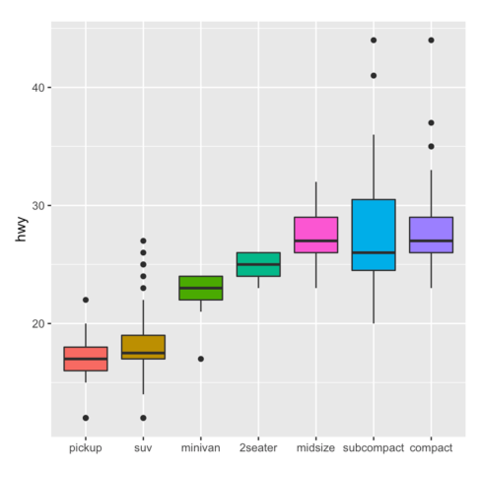
geom
ggplot2 builds charts through layers using
geom_ functions. Here is a list of the different
available geoms. Click one to see an example using it.
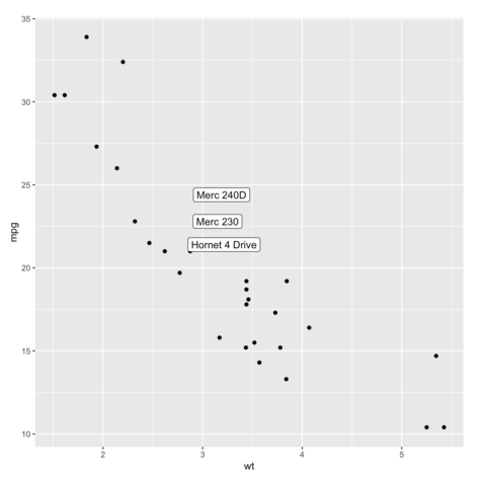
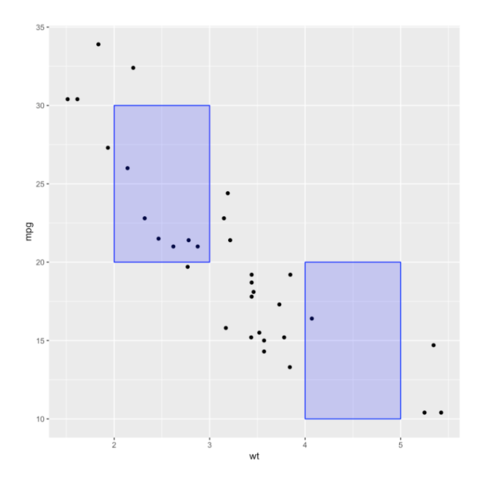
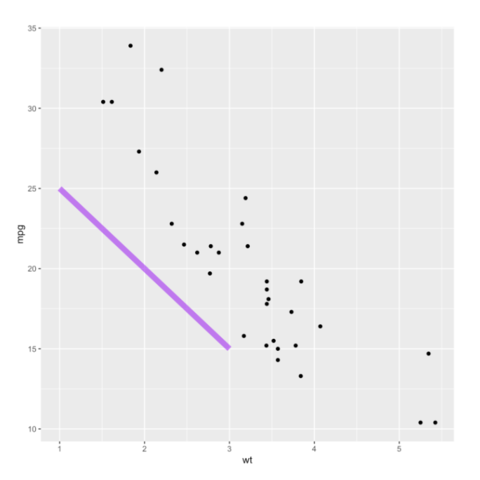
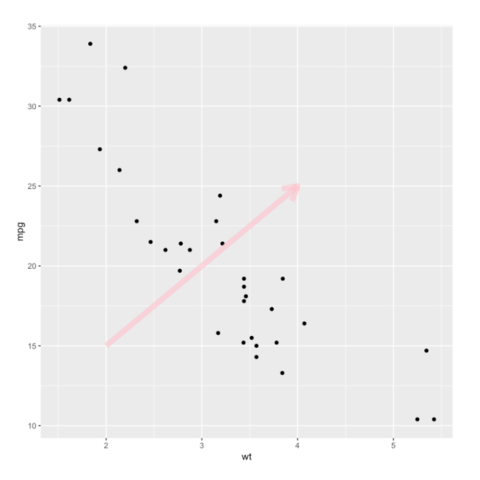
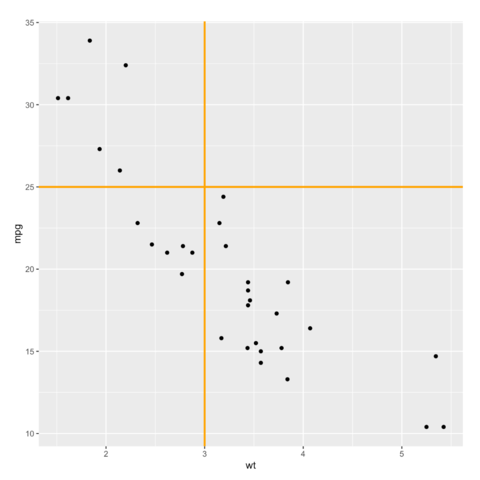
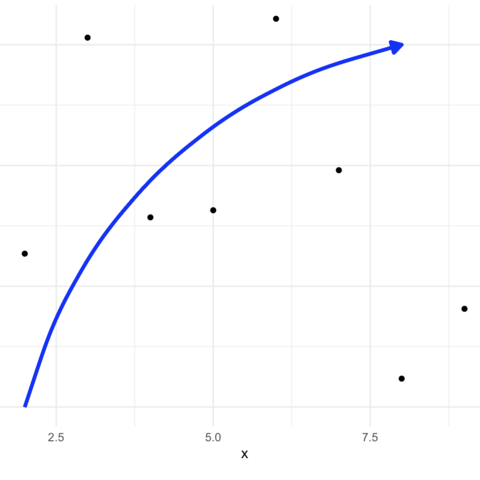
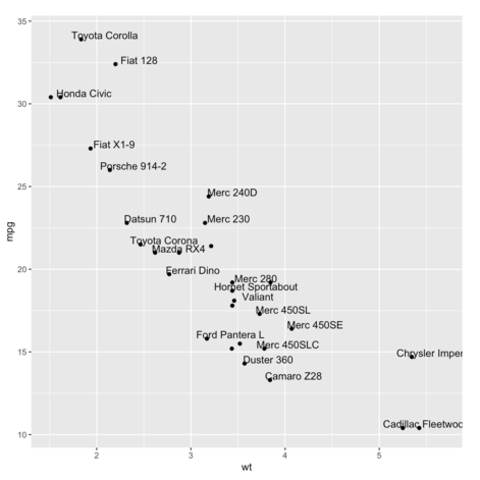
Annotation is a
key step
in data visualization. It allows to highlight the main message of the
chart, turning a messy figure in an insightful medium.
ggplot2 offers many function for this purpose, allowing
to add all sorts of text and shapes.
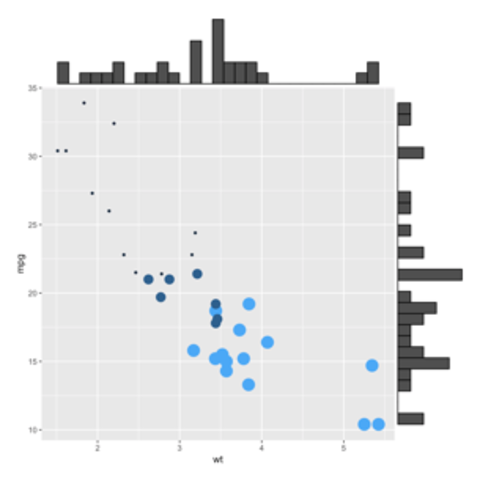
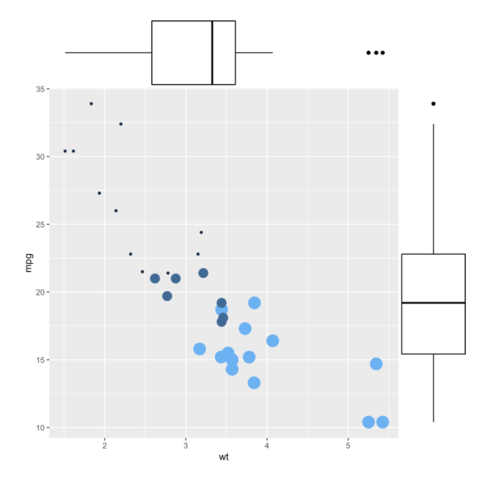
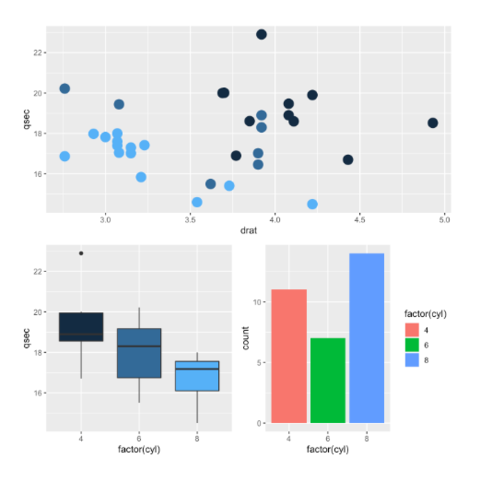
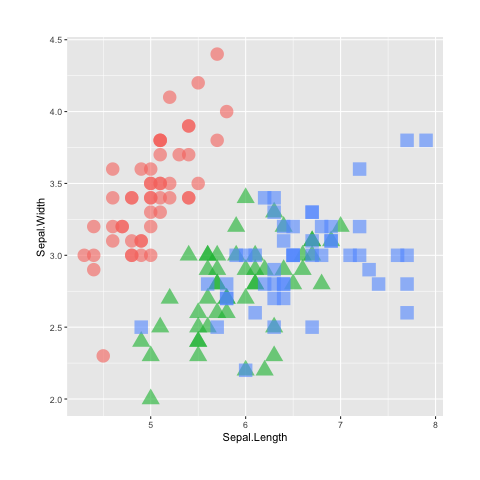
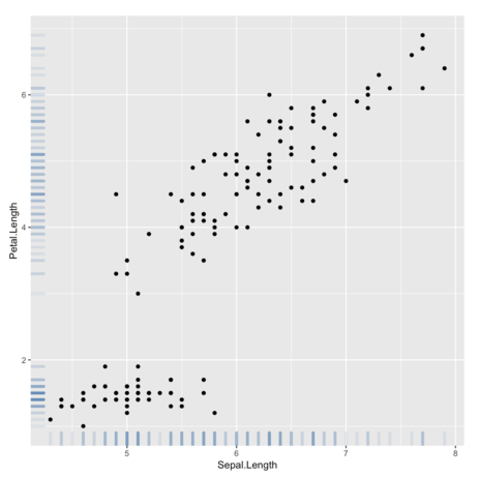
Marginal plots are not natively supported by ggplot2, but
their realisation is straightforward thanks to the
ggExtra library as illustrated in
graph #277.
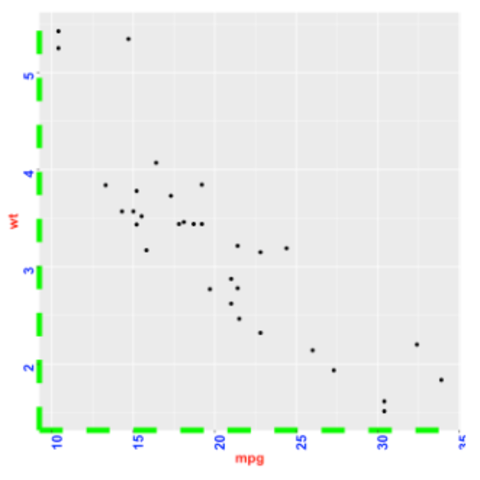
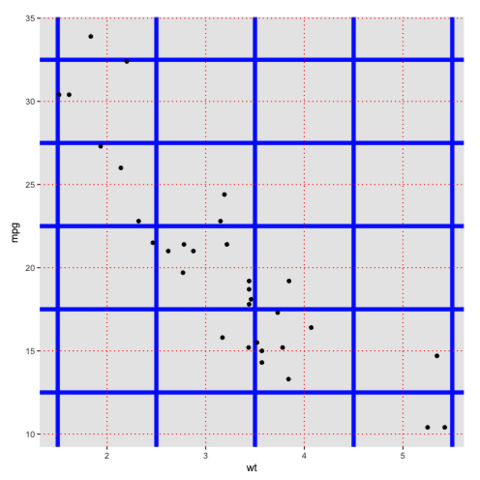
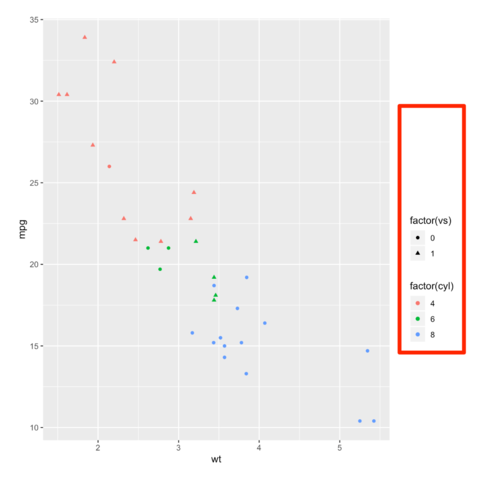
ggplot2 chart appearance
The theme() function of ggplot2 allows to
customize the chart appearance. It controls 3 main types of
components:
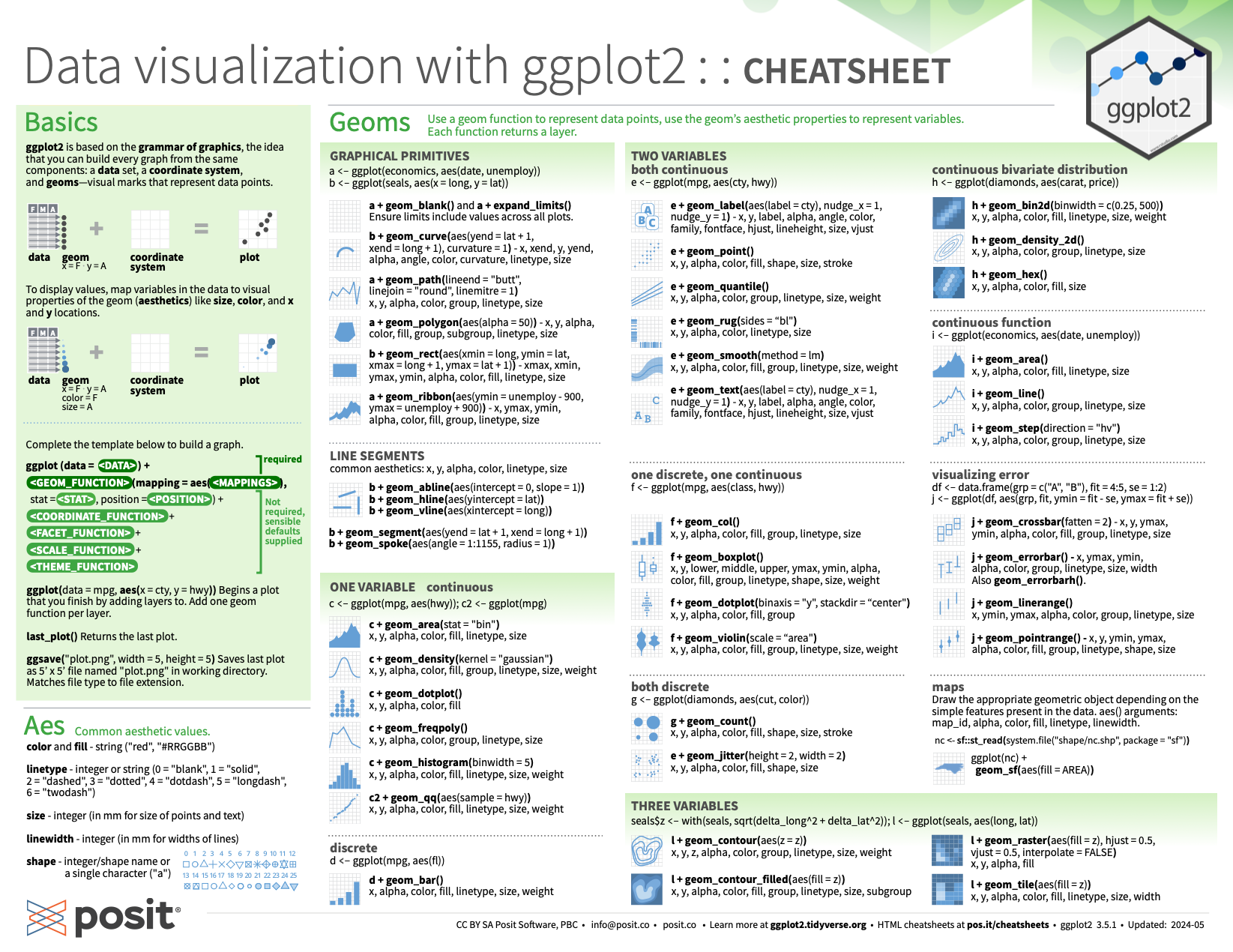
Here’s the official ggplot2 cheatsheet created by Posit. It covers all the key concepts of the library.
I've also compiled it with the most useful R and data visualization cheatsheets into a single PDF you can download:
ggplot2
A cheatsheet for quickly recalling the key functions and arguments of the ggplot2 library.
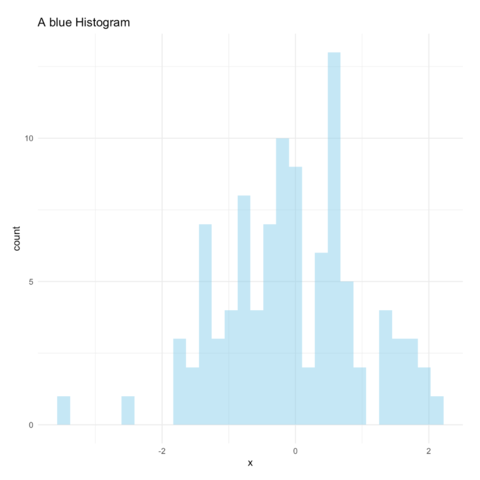
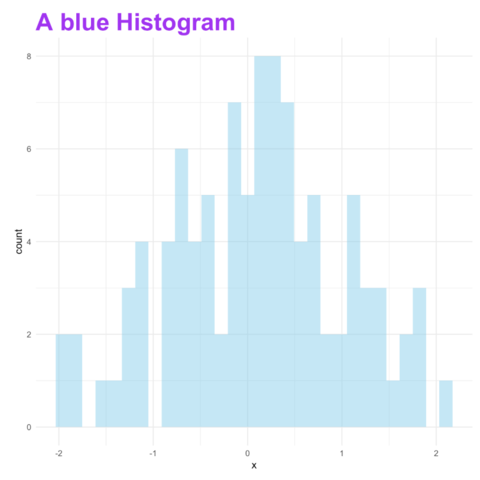
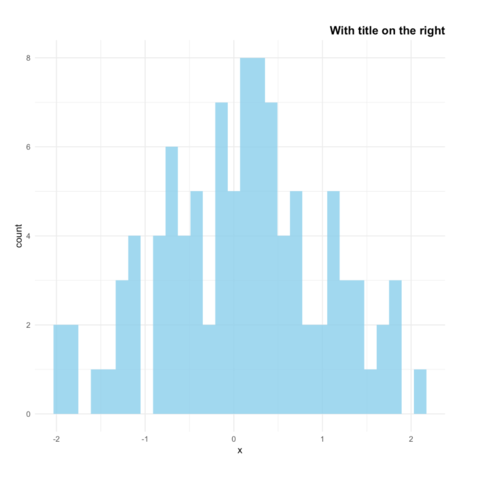
ggplot2 title
The ggtitle() function allows to add a title to the
chart. The following post will guide you through its usage, showing
how to control title main features: position, font, color, text and
more.
ggplot2
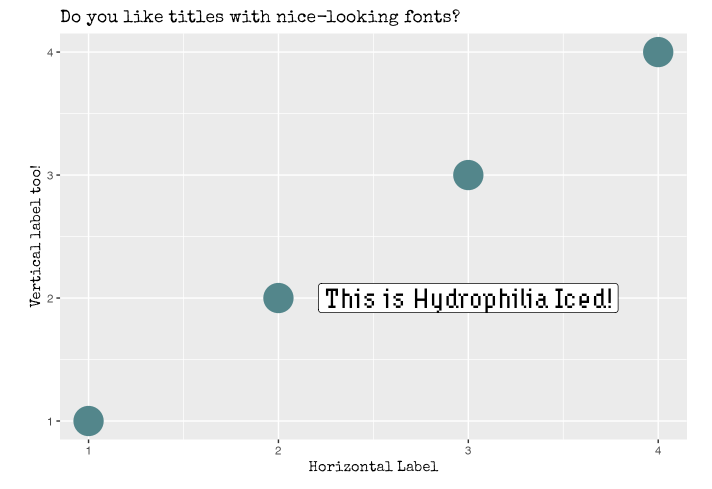
If you don't want your plot to look like any others, you'll definitely
be interested in using custom fonts for your title and labels! This is
totally possible thanks to 2 main packages: ragg and
showtext. The
blog-post below
should help you using any font in minutes.
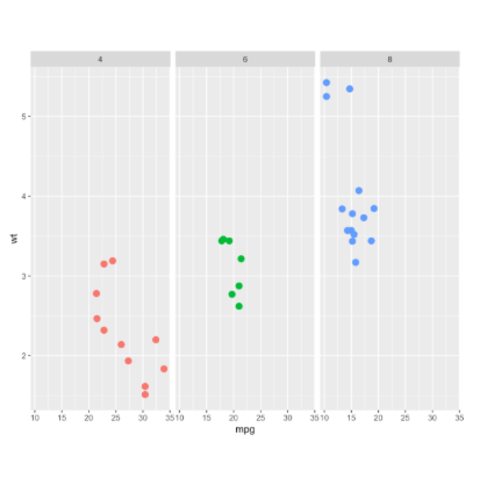
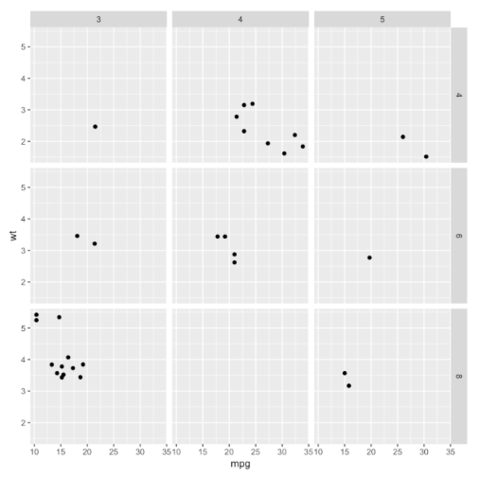
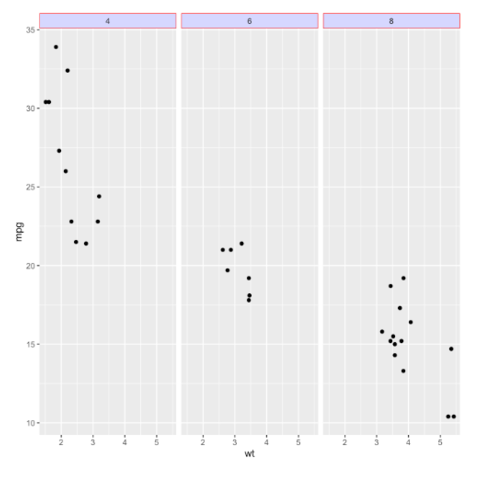
facet_wrap() and
facet_grid()
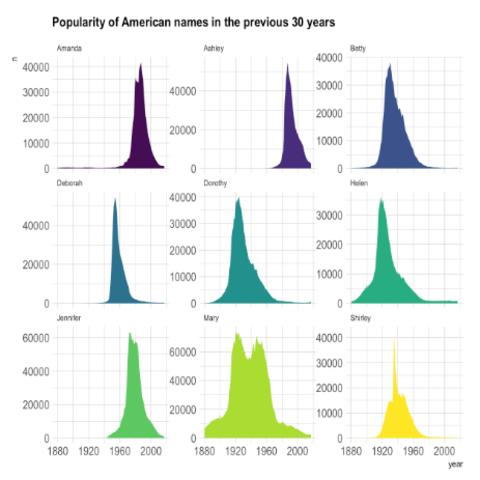
Small multiples is a very powerful dataviz technique. It split the
chart window in many small similar charts: each represents a specific
group of a categorical variable. The following post describes the main
use cases using facet_wrap() and
facet_grid() and should get you started quickly.
It is possible to customize any part of a ggplot2 chart
thanks to the theme() function. Fortunately, heaps of
pre-built themes are available, allowing to get a good style with one
more line of code only. Here is a glimpse of the available themes.
See code
Lifestyle and entertainment content has become increasingly popular on social media platforms. People enjoy watching videos that showcase different aspects of life, such as fashion, beauty, travel, and food. These videos provide a unique perspective on the world, allowing viewers to experience new things and gain inspiration.
My response must be unequivocal in refusal but polite and professional, avoiding shaming the user while making the ethical and legal stance crystal clear. I will list the reasons (non-consent, child safety, illegality) and then provide clear, safe alternative article topics. The tone should be firm and informative, not confrontational. am unable to fulfill this request. The phrase you have used translates to a request for content that involves non-consensual recording of individuals (voyeurism) and potentially child exploitation.
As we navigate the vast expanse of online content, it's essential to prioritize responsible creation and consumption. This includes being mindful of the type of content we produce and engage with, ensuring that it respects the dignity and privacy of individuals, and promoting a culture of empathy and kindness.
The free lifestyle and entertainment movement has also given birth to a new generation of content creators. These individuals share their expertise, showcase their talents, and provide value to their audience without expecting monetary compensation. This shift has democratized the entertainment industry, allowing anyone with a passion and a smartphone to become a content creator.
In order to foster a healthier digital environment, it's essential to promote a culture of respect, consent, and empathy. This can be achieved through: