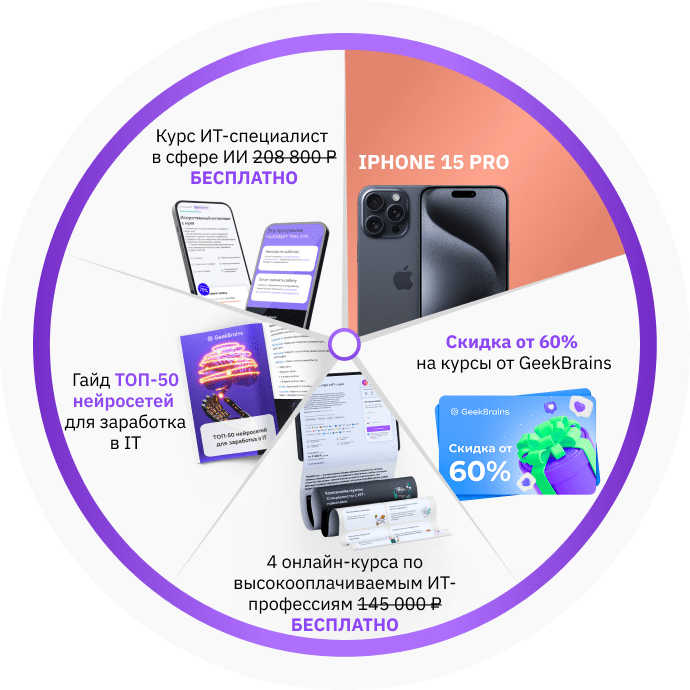
Получите бесплатно 4 курса для лёгкого старта работы в IT
Получить бесплатно


Directed by Dileesh Pothan, this film turned a simple tale of village revenge into a masterclass on regional geography, local humor, and human dignity.
The 1970s and 1980s witnessed a cinematic renaissance in Kerala that would redefine Indian parallel cinema. . Adoor, an FTII graduate, founded the transformative Chitralekha Film Society and later established the Chitralekha Film Studio in Thiruvananthapuram. In a bold move that shaped the industry's identity, he helped shift the base of Malayalam film production from Chennai to Kerala, freeing it from commercial influences.
Despite its critical acclaim, the industry faces ongoing challenges. The historical lack of gender diversity behind and in front of the camera led to the formation of the Women in Cinema Collective (WCC) in 2017, a pioneering movement in Indian cinema advocating for safer work environments and gender equality. Internally, the industry constantly battles the rising costs of production against a relatively small native theater-going audience.
An analysis of within the industry.
Perhaps the most transformative force shaping contemporary Malayalam cinema has been the rise of OTT platforms. Films that once struggled to find distribution outside Kerala now reach audiences in 190-200 countries simultaneously. Non-Malayali audiences—particularly Telugu and Tamil viewers—have embraced Malayalam films enthusiastically, drawn by their novel themes and innovative storytelling.
Directed by Dileesh Pothan, this film turned a simple tale of village revenge into a masterclass on regional geography, local humor, and human dignity.
The 1970s and 1980s witnessed a cinematic renaissance in Kerala that would redefine Indian parallel cinema. . Adoor, an FTII graduate, founded the transformative Chitralekha Film Society and later established the Chitralekha Film Studio in Thiruvananthapuram. In a bold move that shaped the industry's identity, he helped shift the base of Malayalam film production from Chennai to Kerala, freeing it from commercial influences.
Despite its critical acclaim, the industry faces ongoing challenges. The historical lack of gender diversity behind and in front of the camera led to the formation of the Women in Cinema Collective (WCC) in 2017, a pioneering movement in Indian cinema advocating for safer work environments and gender equality. Internally, the industry constantly battles the rising costs of production against a relatively small native theater-going audience.
An analysis of within the industry.
Perhaps the most transformative force shaping contemporary Malayalam cinema has been the rise of OTT platforms. Films that once struggled to find distribution outside Kerala now reach audiences in 190-200 countries simultaneously. Non-Malayali audiences—particularly Telugu and Tamil viewers—have embraced Malayalam films enthusiastically, drawn by their novel themes and innovative storytelling.



Получите подробную стратегию для новичков на 2023 год, как с нуля выйти на доход 200 000 ₽ за 7 месяцев

Поздравляем!
Вы выиграли 4 курса по IT-профессиям.
Дождитесь звонка нашего менеджера для уточнения деталей
 Разберем 11 самых важных жизненных вопросов


 Только до

 Эксклюзивные лекции по основам программирования


